Farm in a Box is an indoor classroom farm kit created through collaboration between STEM Minds and Boreal Farms, with hardware from Rise Gardens and learning resources powered by STEAM Hub. The goal is simple. Give schools a practical way to bring real food growing into the classroom, backed by teacher support, curriculum aligned resources and clear pathways into AgriTech.
This press note introduces the Farm in a Box Grow Kit, explains how it supports hands on learning in science and technology, and shows how it connects to Crop Help as a digital companion for observation, tasks and reflection. :contentReference[oaicite:0]{index=0}
What Farm in a Box is
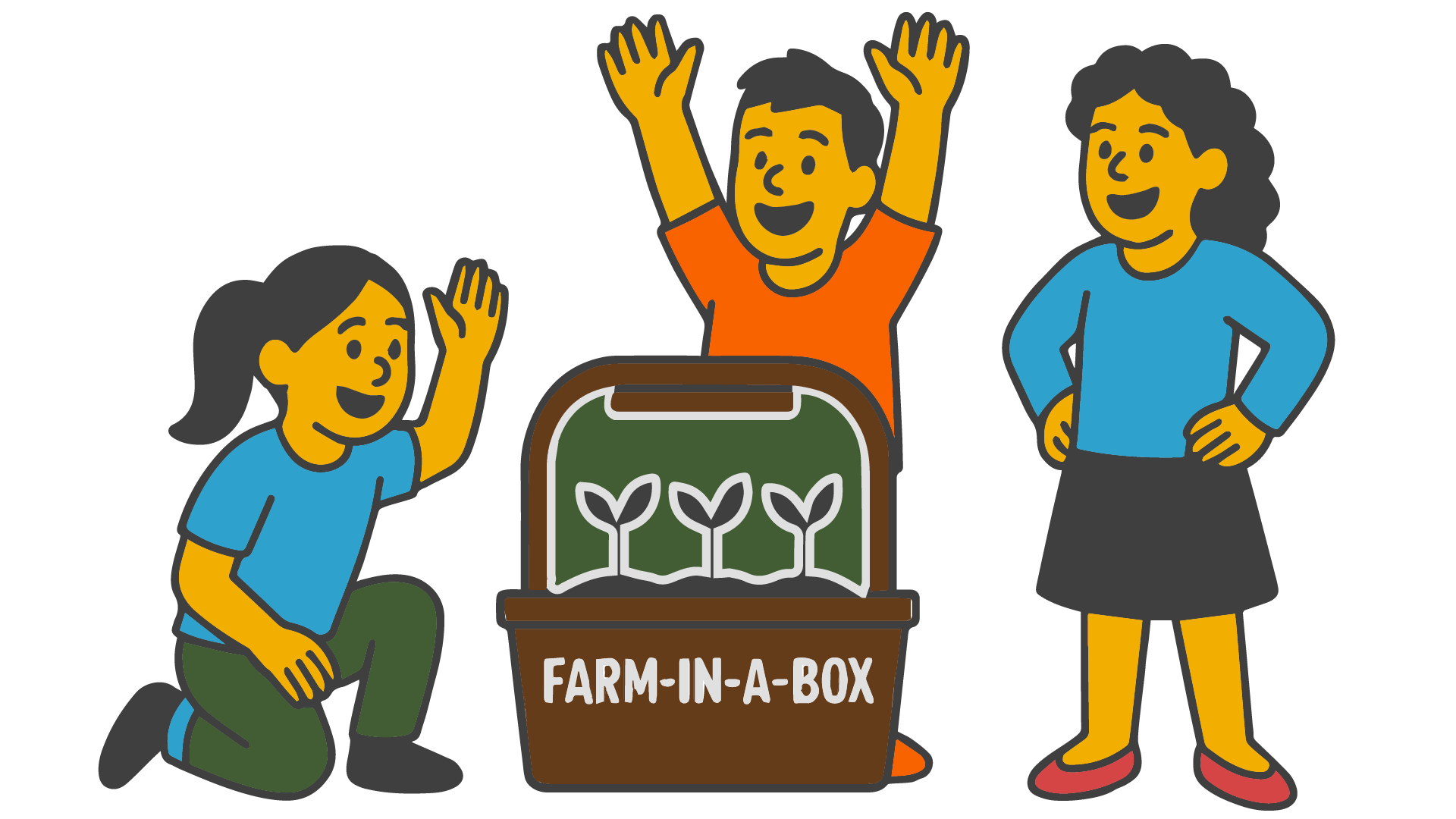
Farm in a Box is a compact indoor farm designed for classrooms and school labs. The core kit includes a multi tier growing system with LED lighting, integrated irrigation and a simple maintenance routine. It supports many planting sites for leafy greens, herbs and small vegetables, so a whole class can participate without crowding around a single pot on a windowsill.
The system is built to reduce guesswork for educators. Lighting, water circulation and cleaning routines follow clear patterns. That reliability means teachers can focus on learning activities rather than troubleshooting hardware every week. Students still see and manage real living plants, but they do so on a platform that is stable enough to run throughout the school year.
A complete classroom experience
Farm in a Box is more than a piece of equipment. Each kit is backed by a package of teacher resources and grower support materials curated by STEM Minds and Boreal Farms. Together, they provide:
- step by step guidance to get the system assembled, planted and running
- curriculum linked lessons that connect the grow kit to science, technology and environmental studies
- applied research style activities where students test light, water and nutrient combinations
- troubleshooting support so classrooms can recover from common challenges
This structure is important for busy educators. It allows a Grade four teacher, a secondary science department or a specialist program lead to fold the grow kit into existing timetables without needing to become a full time grower.
Learning goals for students
The Farm in a Box experience is designed around clear learning outcomes that span biology, environmental stewardship and technology.
Students are expected to:
- understand key stages in a plant life cycle and the roles of light, water and nutrients
- explore how different growing conditions influence plant health and yield
- practice basic horticulture skills such as sowing, thinning, pruning and harvesting
- collect and analyze simple data on growth, timing and environmental conditions
- reflect on how local food production connects to global challenges such as food security and climate resilience
For younger grades, that might look like tracking how quickly seeds germinate under different lighting schedules. For older students, it might extend to comparing traditional soil growing with controlled environment production, or investigating how data from sensors can support better decisions in agriculture.
Indoor farm, outdoor impact
Although Farm in a Box runs indoors, it is very much about the wider food system. As classes grow salads, herbs and other crops, they discuss where food usually comes from, how far it travels and what it means for a community to have reliable local supply.
These conversations support work on global goals related to food, sustainability and equity. Students see that growing even a small share of their own food can build skills and confidence, and that similar tools can support community gardens, food banks and other local efforts.
For schools that already have outdoor beds or courtyards, Farm in a Box becomes a year round backbone. Plants can start in the indoor system, move outside when conditions allow, and come back into the classroom as cuttings or seedlings when the season ends.
Options for purchase and sponsorship
Farm in a Box is available through partner channels that make it easier for schools and districts to procure equipment or fund programs.
Educators and administrators can:
- purchase kits through distribution partners who handle logistics and support
- work with sponsoring organizations such as Inno Hive to fund kits for schools that need external support
- discuss installation and start up workshops that give staff a confident first run with the system
This layered approach reflects a simple reality. Not every school has the same budget or infrastructure. The Farm in a Box partners aim to provide routes for direct purchase, sponsorship and pilot projects so that a wide range of communities can participate.
Future ready extensions
The initial Farm in a Box Grow Kit is deliberately straightforward. It focuses on stable lighting, water management and plant care. At the same time, the partners are working on extensions that bring coding and connected sensing into the mix.
Planned additions include:
- sensor and control packs powered by microcontroller boards that let students monitor temperature, humidity and moisture
- data dashboards and simple coding activities that show how readings change over time
- links to broader exploration of the Internet of Things as it applies to agriculture
These extensions will allow schools to deepen their focus on AgriTech. Students will move from simply observing plants to designing and analyzing their own small experiments using real sensor data.
A bridge into AgriTech careers
Farm in a Box is also a gentle introduction to the many careers that sit at the intersection of agriculture and technology. As students work with the kit, they see examples of roles such as:
- growers and farm managers who operate controlled environment systems
- technologists who design and maintain sensor networks and control systems
- analysts who use data to improve yields, reduce waste and plan logistics
- educators and community leaders who build programs around food, climate and wellbeing
These ideas connect to broader career pathways content offered through STEM Minds and STEAM Hub. Over time, students can move from a classroom kit toward deeper engagement with AgriTech, environmental science and related fields.
How Farm in a Box connects to Crop Help
Crop Help and Farm in a Box share a simple belief. Students learn more when they can see, measure and act on real changes in living systems.
In a classroom that uses both:
- Farm in a Box provides a reliable, visible growing environment
- Crop Help provides a digital space to capture images, log observations, track issues and plan tasks
Teachers can invite students to take regular photos of the grow kit, upload them into Crop Help and tag them with basic context. Over time, classes build a record of how the garden responded to different actions such as pruning, feeding or adjusting light schedules.
Lessons from the Resources section of this site can extend those observations into structured activities. Data walk plots, soil and moisture investigations and simple stewardship planning templates can all be adapted to indoor growing.
Getting started
Schools and community programs that want to explore Farm in a Box can begin by:
- visiting the Farm in a Box site to review kit details and options
- talking with STEM Minds and Boreal Farms about how the grow kit supports curriculum and AgriTech pathways
- planning how Crop Help will be used alongside the kit to capture learning, support student reflection and share results with families and partners
Together, these tools turn a single classroom corner into a living lab where students can grow food, practice scientific thinking and see how technology supports more resilient local food systems.