
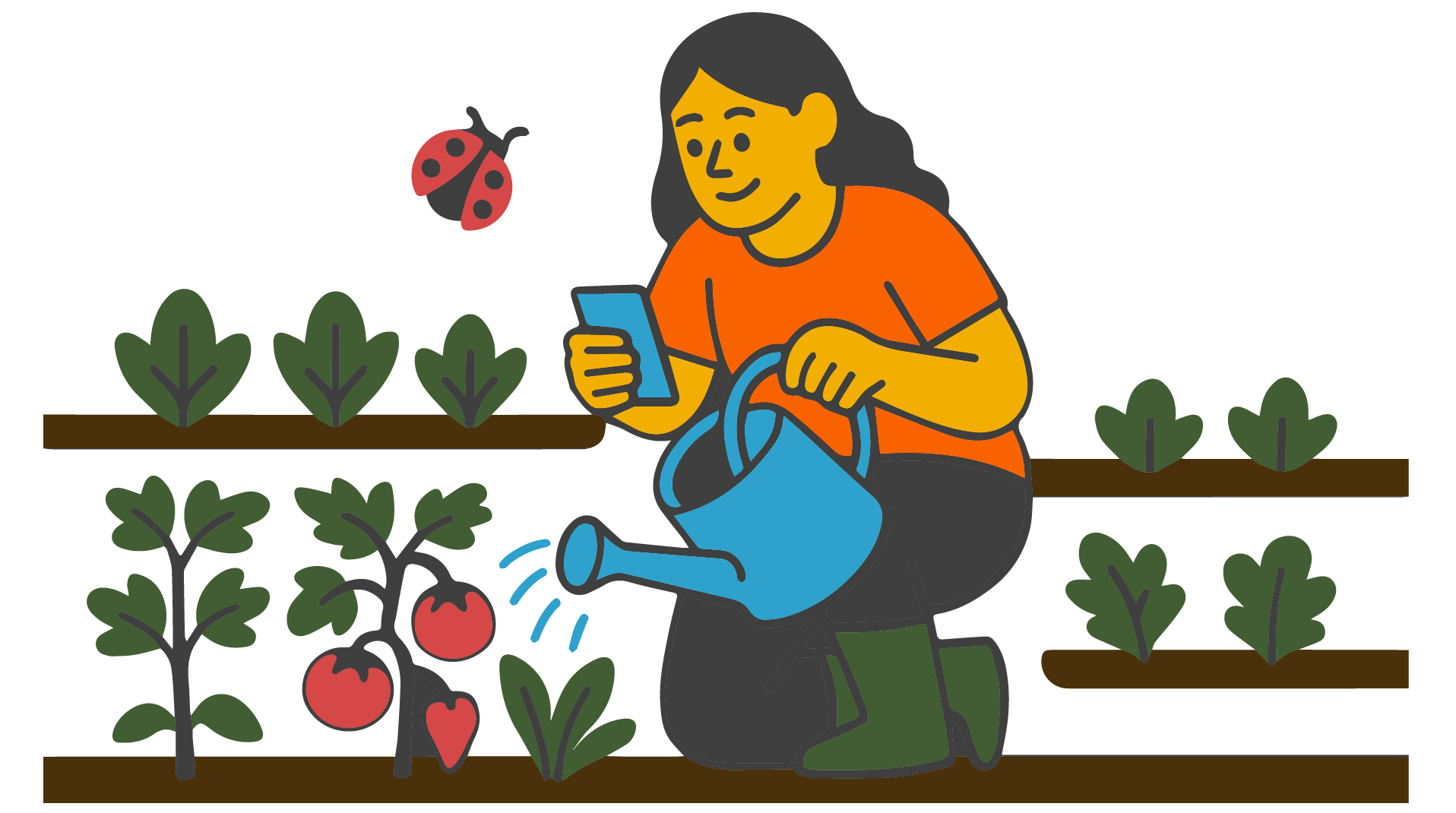
If you ask three gardeners how often to water a vegetable garden, you will probably get five different answers. The truth is somewhere in the middle. Your tomatoes, peppers and leafy greens all like steady moisture, but they also need air in the root zone. That means we want soil that is evenly damp, not soaked, and we want a routine that fits your weather, soil and plant mix.
In this guide we will keep it practical. You will get a simple rule of thumb, crop-by-crop guidelines, and easy ways to tell if your plants are thirsty or drowning. We will also show how you can use Crop Help to turn watering into a simple habit you can track, instead of something you guess at every time you walk outside.
How often should you water a vegetable garden
If you only remember one thing, let it be this:
Most vegetable gardens do best with about two to three deep waterings per week, not a light sprinkle every day.
That “two to three” is a starting point. It assumes:
- Temperatures are mild to warm, not extreme
- You have at least a little mulch on the soil
- You are watering long enough that moisture reaches the root zone
From there, you adjust based on three things:
-
Weather
- Hot, dry, windy weeks often need more frequent checks
- Cool, cloudy, or rainy weeks often need less
-
Crop type
- Fruiting crops like tomatoes and peppers prefer deep, less frequent water
- Leafy crops and herbs often like slightly more frequent watering
-
Growth stage
- Tiny seedlings and new transplants dry out quickly
- Established plants can handle a bit more time between waterings
Think of “two to three times per week” as your default setting. You then dial up or down using the checks we cover later in this article.
How much water veggie beds really need each week
Garden advice often says “about one inch of water per week.” That can sound abstract, so let’s turn it into something you can actually use.
Inches of water and what that means in practice
One inch of water means that if you had a flat tray over your garden, the water would form a layer about a finger-width deep. For raised beds and in-ground beds, that inch will usually soak the top six to eight inches of soil, which is where most vegetable roots live.
A few simple ways to think about it:
- If you use a sprinkler, you can set out a small straight-sided container (like a tuna can) and run the sprinkler until there is about 1.5–2.5 cm (around half to one inch) in the bottom. Note how long that took.
- If you water by hand, you want to water until the soil is wet several inches down, not just dark on the surface.
You do not have to chase perfect numbers. The goal is to water long enough that moisture soaks in deeply, then give the soil time to breathe before the next watering.
Signs your plants are thirsty or overwatered
Instead of guessing, let the plants tell you how you are doing.
Signs of underwatering:
- Leaves droop in the morning and stay droopy later in the day
- New growth looks small and tight
- Soil pulls away from the sides of the bed or pot
- Fruits may be small or drop early
Signs of overwatering:
- Soil surface is often shiny or soggy
- Lower leaves turn yellow and drop, even though the soil looks wet
- Stems may feel soft or rotten near the base
- You may see algae or a green film on top of the soil
A little midday droop on a very hot day can be normal, especially for big leaves, as long as plants perk back up in the evening. What we worry about is droop that never fully recovers or yellow leaves on very wet soil.
Crop by crop watering guidelines
Different vegetables use water in different ways. Here are simple, non-fussy guidelines you can build on.
Tomatoes and peppers
Tomatoes and peppers like deep, steady moisture with a clear rhythm. They do not like big swings from bone dry to flooded.
Try this approach:
- Aim for two deep waterings per week in mild weather, three in hot spells
- Water at the base of the plant, not over the leaves
- Use mulch (straw, shredded leaves, or similar) to keep the soil from drying out too fast
If you notice tomatoes cracking or getting blossom end rot, it often means the plant has been through uneven watering. Slowing down and focusing on deep, steady soaks usually helps more than adding more fertilizer.
Leafy greens and herbs
Leafy greens (lettuce, spinach, chard) and many herbs have shallower roots. They like the soil to stay evenly moist, especially during germination and early growth.
You can:
- Check these beds more often than your tomato bed
- Give lighter but more frequent waterings, especially in warm weather
- Keep an eye on surfaces; dry crust on top often means the top inch is too dry for tiny roots
If leaves taste bitter or plants bolt early, heat can be part of the story, but water stress is usually in the mix too.
Young transplants and established plants
Newly transplanted seedlings and small plants are still figuring out their root system. They can dry out in a single sunny afternoon.
For the first one to two weeks after transplanting:
- Check moisture daily around the root ball
- Water smaller areas more gently to avoid washing soil away
- Consider light shade cloth during very hot afternoons
Once roots reach deeper soil, you can move that plant onto your normal schedule with deeper, less frequent waterings.
How soil type, mulch and containers change your watering plan
You can give two gardeners the same watering rules and get very different results if their soils are not the same.
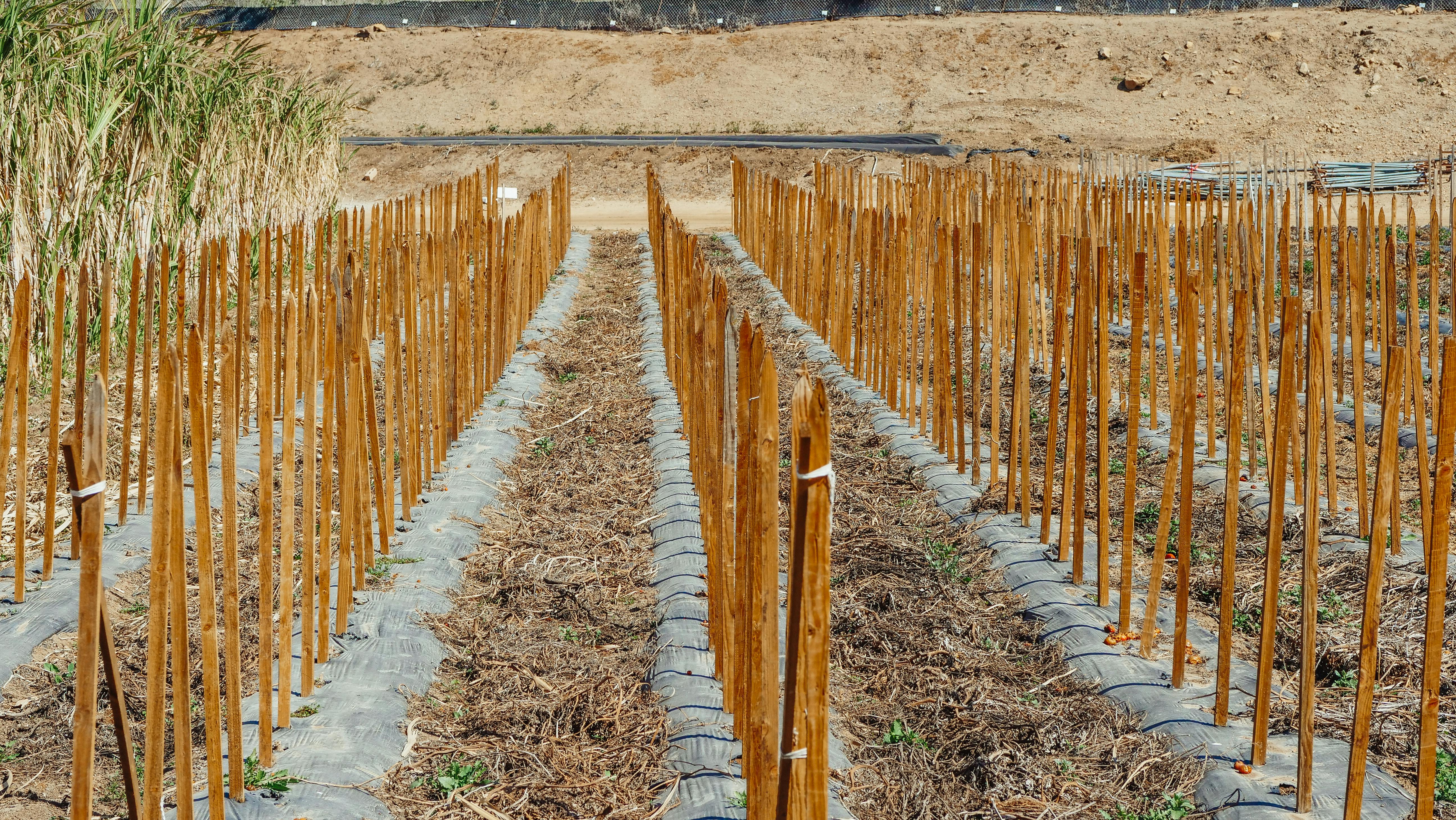
Soil type and raised beds
- Clay soil holds water longer but can become sticky and airless when overwatered. In clay, focus on less frequent but careful watering and avoid puddles.
- Sandy soil drains quickly. It often needs more frequent checks, especially for shallow rooted crops.
- Raised beds are usually lighter and drain better than in-ground rows, which is great for roots but means they can dry out faster in hot or windy weather.
You do not need to know your soil type in detail. Just notice how long it takes for the top few inches to dry after a normal watering. That timing will help you decide how often to come back.
Why mulch makes watering easier
Mulch is one of the easiest ways to make your watering life calmer. A simple layer of straw, chopped leaves or grass clippings (without weed seeds) can:
- Slow down evaporation
- Keep soil temperatures more even
- Reduce crusting on the surface
With mulch in place, you often find that your two to three times per week routine is enough, even when the weather warms up.
Containers versus in ground beds
Containers are a different world:
- They heat up and dry out much faster than in-ground beds
- Small pots can go from damp to dry in a single sunny day
- Roots have less room to chase moisture
As a simple rule, check containers daily in warm weather and be ready to water more often than your garden beds. Larger pots, deeper containers and good quality potting mix will help even things out.
Simple ways to check moisture before you water
Before you reach for the hose, take ten seconds to check whether the plants actually need water.
The finger test
Push a finger into the soil up to the second knuckle:
- If it feels cool and damp, you can probably wait
- If it feels dry or dusty, it is time to water
- If you feel slimy or muddy, the soil may be overwatered and needs time to dry
The trowel test
Slide a hand trowel into the soil and pull back a small slice:
- Look at the color and feel of the soil down 7–10 cm (3–4 inches)
- Check whether roots are white and healthy or brown and rotting
This test is especially helpful in raised beds where the top crust can look dry even while the bottom is still wet.
Visual clues
With practice, you will spot water needs from a distance:
- Leaves lose their shine and perk when plants are thirsty
- Soil pulls away from the sides of beds or pots as it dries
- Mulch looks pale and very dry
Combine these checks with your basic two to three times per week rhythm, and watering stops being a mystery.
Using Crop Help to keep your watering on track
Watering is not just about today. It is also about patterns over the season. This is where Crop Help can make things easier.
Here are a few simple ways to use the app.
Take quick photos after watering
After you water a bed or block of containers:
- Snap a few photos of the plants and soil surface
- Try to take them from similar angles each time
- Upload them to Crop Help so you have a visual record
Over time, you will start to see how plants respond to your routine. You may notice that a certain bed always looks stressed before the others, or that a container grouping dries out faster than expected.
Turn watering into repeatable tasks
In Crop Help you can create Tasks like:
- “Water raised beds A and B”
- “Deep watering for tomatoes and peppers”
- “Check containers on balcony”
Set these up on the days you expect to water, then adjust as you learn. If you miss a watering or skip one because rain is coming, note that in the Task or Issue. Later, when you review plant health, you will know why some weeks looked better than others.
Capture heat waves and dry spells
When you know a heat wave or dry spell is coming:
- Create a short “heat watch” Task series for that week
- Add notes like “extra watering before heat” or “mulch added”
These simple notes will help you and your team remember what worked and what did not when you look back at the season.
What to do next
By now you have a simple answer to “how often should I water my vegetable garden” and a few easy tools to check your work.
Next steps:
- Pick your default schedule: two to three deep waterings per week for beds, daily checks for containers.
- Use the finger test or trowel test before you water.
- In Crop Help, create a watering Task plan and start logging notes and photos.
From here you can move into more seasonal detail with the May garden playbook, and use the soil moisture walk lesson to teach your family, students or crew how to read the soil as well as the plants.