
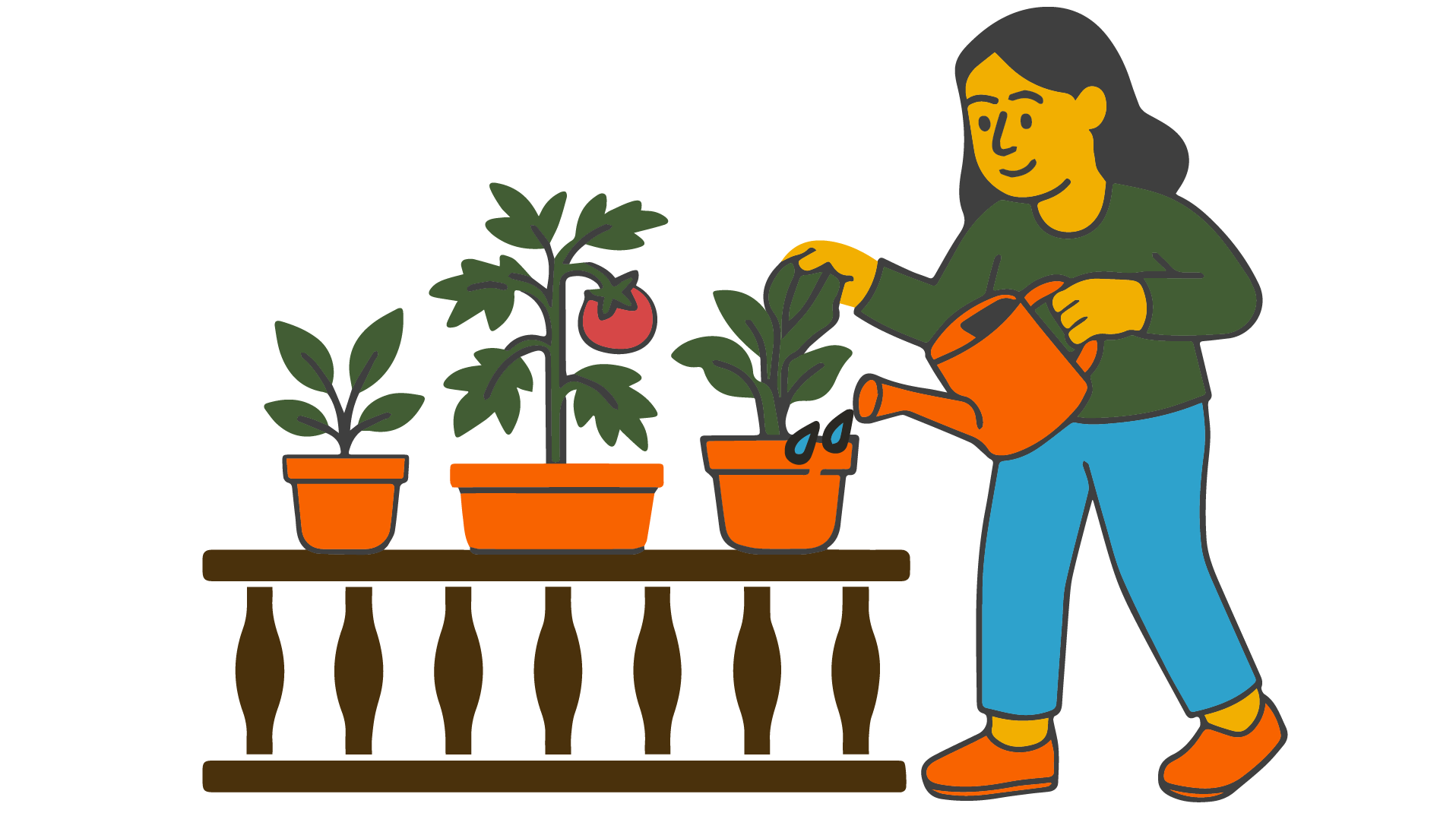
If you have a balcony, patio or small courtyard, you have enough space to grow real food. Container vegetable gardening is simply taking the same plants you would put in the ground and giving them a good pot, a healthy soil mix and a bit of attention to water and sun.
You do not need fancy planters or special fertilizers to get started. With the right pot size and a simple watering routine, you can grow tomatoes, peppers, salad greens and herbs in a very small footprint. This guide walks through the basics so you know what is realistic for your space and how to keep plants thriving all season.
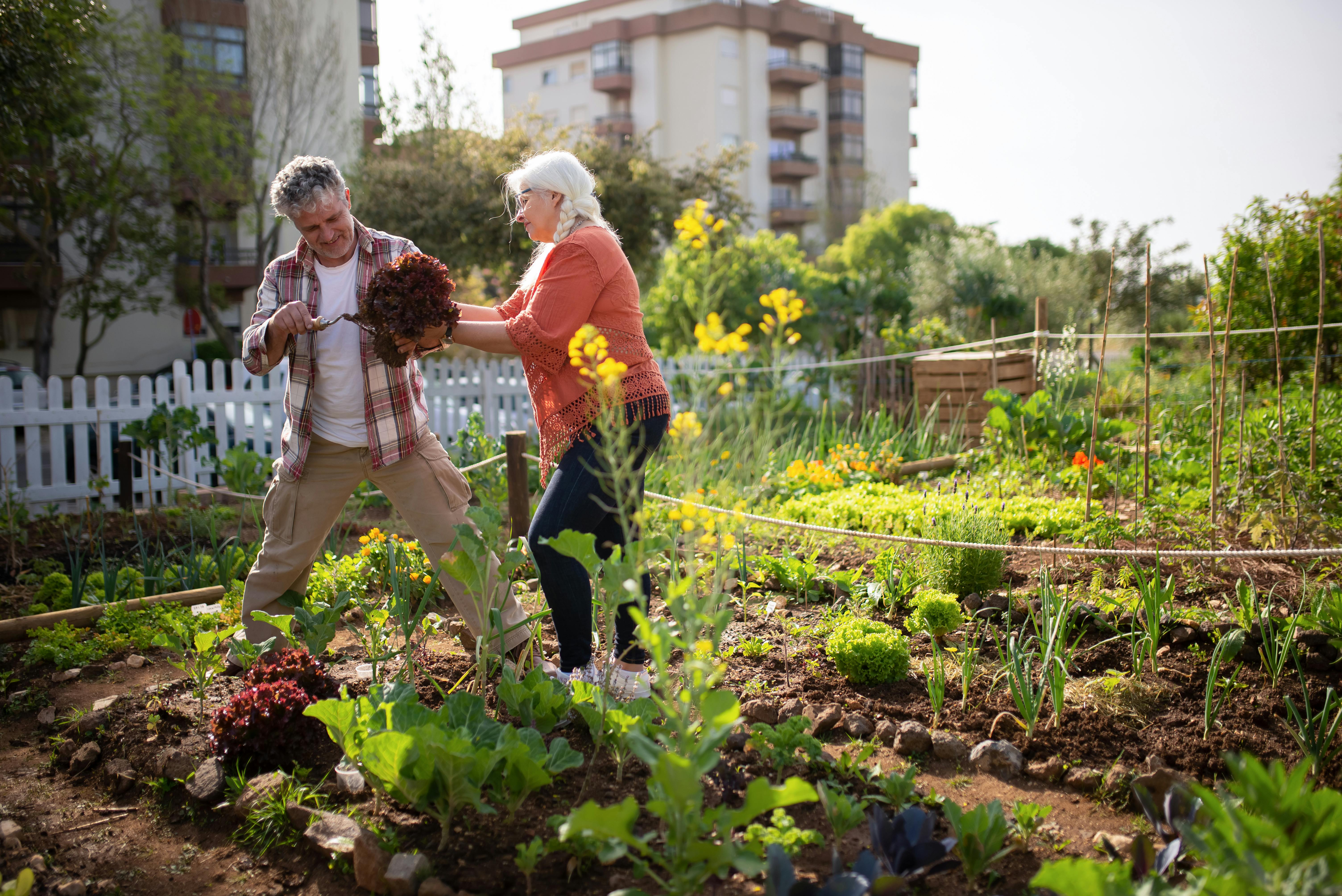
Yes, you can grow a lot in pots
Let’s start with the honest answer to the big question: how much can you really grow on one balcony or patio?
Think in terms of “containers as mini beds.” A typical small space could hold:
- One or two large pots for tomatoes or peppers
- A long trough or window box for salad greens
- A few medium pots for herbs and flowers
- Maybe a fabric grow bag for root crops like radishes or baby carrots
With that setup you can expect:
- Fresh salad a few times a week in season
- A steady trickle of cherry tomatoes or peppers
- Herbs you can cut and come back to again and again
You will not replace a farm, but you can absolutely replace store bought herbs and some produce, and your space will look more alive while you do it.
The rest of this guide is about getting the basics right so those pots stay productive instead of becoming a collection of dried out sticks by midsummer.
Picking the right container size and material
Container size is the most common place balcony gardeners go wrong. Too small, and the soil dries out in hours and roots never get comfortable. A slightly bigger pot often means a much calmer season.
Minimum pot sizes for tomatoes, peppers, greens and herbs
These are simple starting points you can adjust from:
- Tomatoes (indeterminate or large bush)
At least a 5 gallon pot (about 30 cm wide and deep). Bigger is better. - Peppers and eggplant
Around 3 to 5 gallons per plant. A shared tub works if it is wide and deep. - Leafy greens (lettuce, spinach, arugula)
A window box or trough 15–20 cm deep is fine. Depth matters less than area. - Herbs (basil, parsley, chives, thyme)
Small to medium pots are okay, but they still need some depth. A 20 cm pot works for many herbs.
If you are unsure, look for containers that are wider than your hand span and at least as deep as your wrist to elbow. That rough check usually moves you out of the “too tiny” zone many decorative planters live in.
Why container material matters
You will see plastic, ceramic, terracotta, fabric grow bags and upcycled buckets. Each has trade offs:
- Plastic pots hold moisture well and are light to move, but dark colors can heat up.
- Terracotta breathes and dries faster, which can be good or bad depending on your climate.
- Fabric grow bags drain very well and help roots air prune, but they dry fast in wind and sun.
- Upcycled buckets or tubs are fine as long as you drill enough drainage holes.
Choose a mix that fits your effort level. If you know you will forget to water, lean toward larger plastic or glazed pots that hold moisture longer.
Drainage holes and saucers are not optional
Container vegetables fail more often from soggy, airless roots than from drought. Good drainage is your biggest protection.
Every pot should have:
- Multiple holes in the bottom, not just one tiny opening
- A way for water to escape the saucer, or a plan to tip excess out
- A flat, stable spot so water does not pool on one side
If a pot has no holes, treat it as a cache pot and place a smaller pot with drainage inside it, or drill holes yourself.
Saucers are useful on balconies where you do not want water pouring on neighbors or staining surfaces. Just remember to empty full saucers after heavy watering or rain so roots are not sitting in a bathtub.
Choosing a potting mix that keeps roots happy
The soil you use in containers is as important as the pot itself. Garden soil from the ground is usually too heavy and can bring pests and diseases into a confined space.
A good soilless potting mix does three things:
- Holds water without turning into a brick
- Drains well so roots get enough air
- Contains some organic matter to feed microbes and retain nutrients
Look for mix ingredients like:
- Peat moss or coco coir for water holding
- Perlite or pumice for drainage and air pockets
- Compost or aged bark for organic matter
You can use a quality “vegetable potting mix” straight from the bag to start. If you want to improve it:
- Add a small amount of extra compost for biology and slow release nutrients
- Mix in a bit of perlite if the soil feels heavy or stays wet for too long
Avoid scooping soil out of the ground or digging up turf for containers unless you absolutely have to. It almost always compacts and suffocates roots in pots.
Watering and fertilizing in containers compared to ground
Container gardens live by a different water rhythm than in-ground beds. The soil volume is small, the sides are exposed and roots do not have deeper layers to explore.
Key differences:
- Containers dry out faster, especially in sun and wind
- Plants in pots have access to a limited nutrient pool
- A missed watering can stress plants in a single afternoon
If you have not read it yet, our Watering 101 post walks through how often to water vegetable beds. For containers, start with these adjustments:
- Check pots daily in warm weather, and expect to water most days in hot spells
- Water until you see some drainage from the bottom, then let the pot breathe
- Use your finger to test moisture at least a few centimeters down, not just at the surface
For feeding, a simple approach is:
- Mix a slow release organic fertilizer into the potting mix at planting
- Top dress with compost once or twice during the season
- For heavy feeders like tomatoes and peppers, add a light liquid feed every 2–3 weeks
Because containers are more sensitive to swings, it is better to feed small amounts more often than a heavy dose that can burn roots.
Dealing with balcony microclimates
Balconies have their own weather. Wind tunnels between buildings, reflective walls, afternoon heat and deep shade can all live within a few meters.
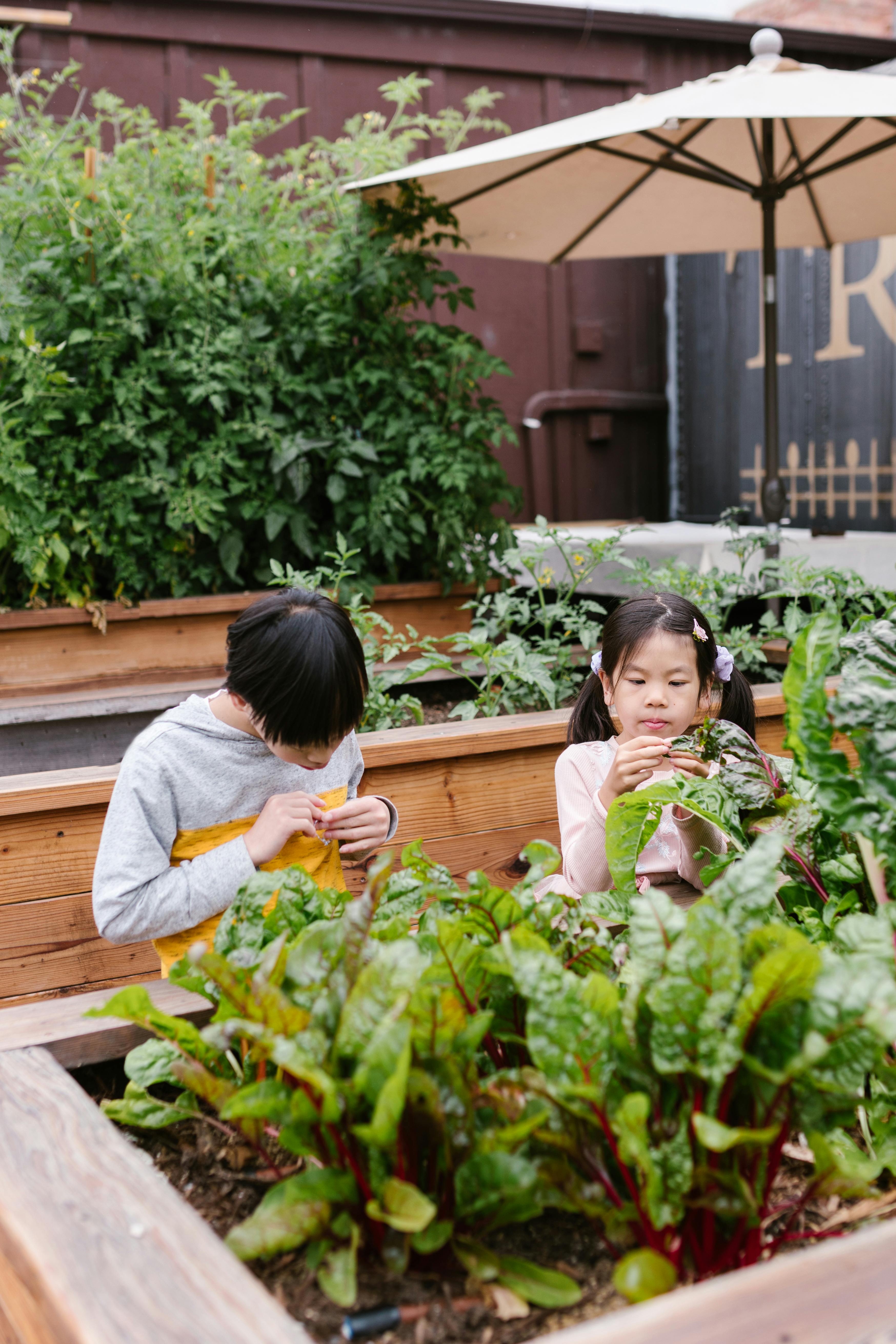
Here are a few simple ways to work with that:
-
Wind
Use railings, screens, or even a sturdy chair as a windbreak. Group pots together so they shelter each other. Tall plants can go at the back to break gusts. -
Heat
South facing walls can get very hot. In heat waves, move pots a little back from walls, or use light colored saucers and trays that reflect heat rather than absorb it. -
Shade
Morning sun plus afternoon shade is often ideal for leafy greens and herbs. If you only have deep shade, focus on herbs and leafy crops that tolerate low light rather than trying to force tomatoes to perform. -
Rain
Some balconies are sheltered and hardly see rain. Others collect water in storms. Watch where water falls and drains, and move containers if they are in a spot that floods.
Think of your balcony as a tiny field with different micro zones. After a few weeks of watching sun, shade and wind, you will know which spots are best for thirsty plants and which are better for tougher herbs.
A simple weekly container care checklist
To keep container gardening simple, focus on a few small habits rather than big weekend overhauls. A quick weekly routine could look like this:
Once or twice a week:
- Check every pot for moisture and drainage
- Snip off dead or yellowing leaves and spent flowers
- Turn or rotate pots a quarter turn if plants are leaning toward the light
- Top up mulch on the soil surface if it has broken down
Every week or two:
- Give plants a light feed if they are heavy producers or look pale
- Check for pests under leaves and along stems
- Straighten stakes and ties so they are not cutting into stems
You can keep this on a sticky note, or you can turn it into a Task list in Crop Help so you have a friendly reminder built into your normal workflow.
Using Crop Help on a balcony garden
Even on a small balcony, it helps to have a simple way to track what you did and how plants responded. Crop Help lets you treat your containers with the same level of care as a larger garden, without adding more time.
Here are a few ideas:
Take quick photo snapshots
Every week or after a noticeable change (heat wave, new flowers, pruning), take a few photos of each container:
- Stand in roughly the same spot each time
- Capture the whole plant and a close up of the soil surface
- Upload to Crop Help so the app can help flag stress or issues
Over time, you will see patterns like “this pot always dries first” or “these peppers perk up two days after feeding.”
Turn your checklist into Tasks
Use the task planning guide inside Crop Help to:
- Create a “Balcony weekly check” Task with subtasks for water, pruning and scouting
- Add separate Tasks for “Feed tomatoes”, “Top up mulch” or “Repot crowded herbs”
- Schedule them on days that match your real routine, not a fantasy schedule
If you skip a Task or push it back, log that change. Later, when you review plant health or yields, you will know what really happened instead of guessing.
Capture heat stress and weather events
Balcony containers feel heat and wind strongly. When a hot spell or storm is in the forecast:
- Add a short “heat watch” or “storm watch” Task series
- Make notes like “moved pots to shade” or “extra watering in the morning”
These small records help you and anyone you share the space with learn what works on your balcony, not just in generic container advice.
In a single season, container vegetable gardening can turn a bare balcony into a space that smells like basil, looks alive and feeds you. With the right pot size, a breathable soil mix, steady watering and a simple checklist backed by Crop Help, it becomes less of a guessing game and more of a relaxed weekly ritual you can enjoy.